Gorilla Trekking Dry vs Rainy Season Guide
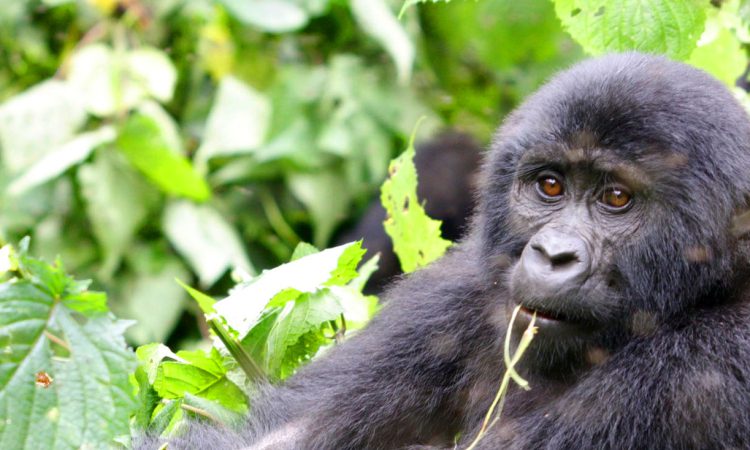
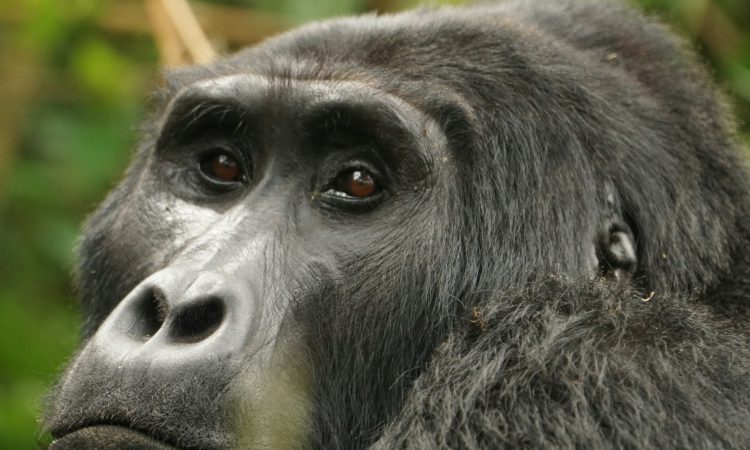
Want to compare dry season vs rainy season treks? Gorilla trekking is done all year in Africa. The endangered mountain gorillas are found in four main parks.
These include Volcanoes National Park in Rwanda, Bwindi Impenetrable National Park and Mgahinga Gorilla National Park in Uganda, and Virunga National Park in the Democratic Republic of Congo.
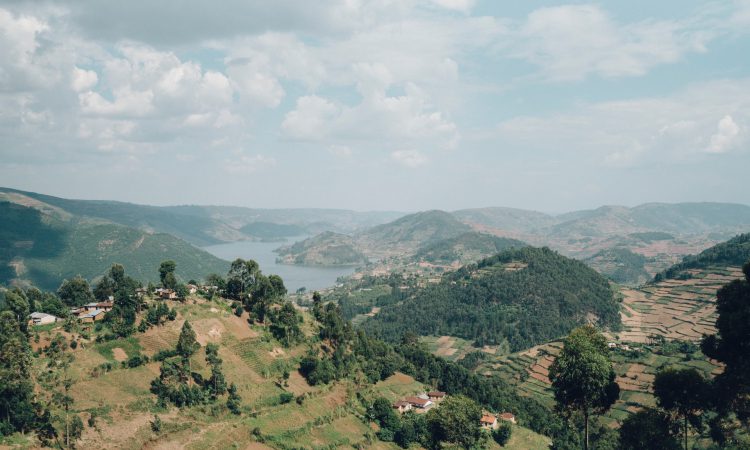
These areas lie in tropical rain-forest zones where rain can fall at any time. Even during the dry season, visitors should expect some rain.
Gorilla Trekking in the Dry Season
The dry season is a popular time for gorilla trekking. It includes the months of December, January, February, June, July, and early August. During this time, the trails are drier and easier to walk on. This makes trekking more comfortable for many visitors.
Because many tourists prefer the dry season, prices for permits and accommodation are often higher. Gorilla trekking in the dry season is easier in terms of walking, but gorillas may move more in search of food, which can make tracking take longer.
Gorilla Trekking in the Rainy Season
The rainy season includes the months of March, April, May, September, October, and November. It has two parts. There are short rains and long rains. During the short rains, trekking is still possible because the rain does not last all day, and the sun can dry the trails.
During the long rains, the trails become muddy and slippery. This can make walking more difficult. In some cases, it may rain for many hours, which can slow down trekking activities.
Advantages of Rainy Season Trekking
Gorilla trekking in the rainy season has some benefits. Prices for permits and accommodation may be lower. There are also fewer tourists in the parks. Gorillas are often easier to find during this time because they stay in one area where food is available.
What to Pack for Both Seasons
Packing well is important for both dry season and rainy season treks. Visitors should carry a first aid kit for safety. Hiking boots are important for walking on rough and muddy trails. A rain jacket helps protect against rain.
Other useful items include a torch, snacks for energy, and proper clothing for forest conditions. These items help make the trek more comfortable.
When comparing dry season vs rainy season treks, each season has its advantages. The dry season offers easier walking conditions, while the rainy season offers fewer crowds and better chances of finding gorillas quickly. With proper planning, both seasons can offer a good gorilla trekking experience.
Gorilla Safari Booking Form
If you'd like to personalize your tour by adding extra days or destinations, please reach out to us through our main contact page using the button below.