Gorilla Habituation vs Gorilla Trekking Guide
Are you planning a trip for gorilla trekking or gorilla habituation in Uganda, Rwanda, or the Democratic Republic of Congo? Understanding the difference between gorilla habituation vs normal gorilla trekking will help you choose the right experience.
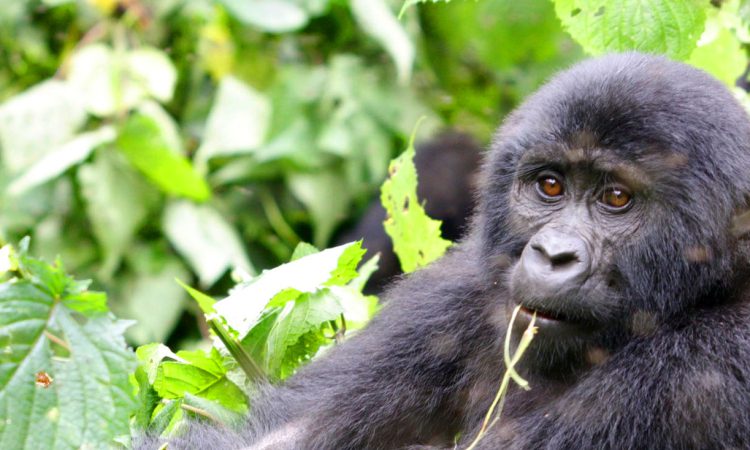
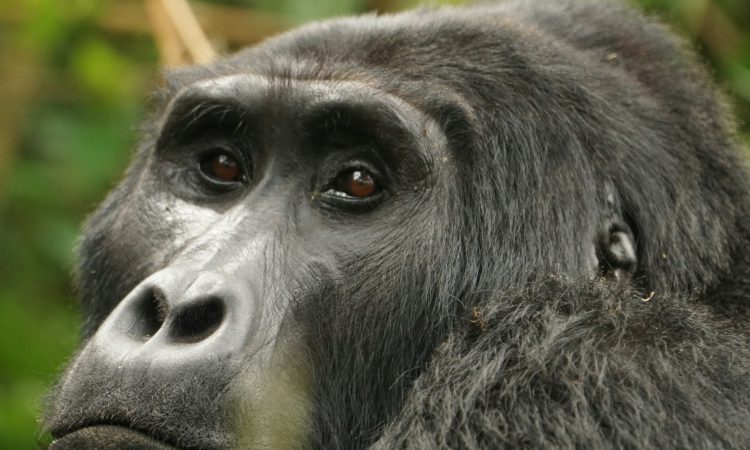
Gorilla trekking is the common activity where tourists walk in the forest to find a fully habituated gorilla family. Once found, visitors spend one hour with the gorillas. Gorilla habituation is different. It allows visitors to spend more time, about four hours, with a semi habituated gorilla group while researchers and park staff continue the process of making them used to humans.
Key Differences Between the Two Experiences
In gorilla trekking, you visit gorillas that are already used to people. The experience is shorter and follows a set routine. In gorilla habituation, you take part in a longer process where gorillas are still getting used to human presence. This makes the experience longer and more detailed.
Some people may think gorilla habituation is risky, but it is safe. Armed rangers and trained guides are always present. Visitors must follow rules to stay safe and protect the gorillas.
Rules to Follow During the Experience
During both gorilla habituation and normal gorilla trekking, visitors must follow simple rules. Do not mimic gorilla sounds. Always turn off camera flash when taking pictures. Avoid touching plants, as some are food for gorillas while others can harm humans. Keep your voice low during the trek to avoid disturbing the animals.
Cost and Group Size
Gorilla habituation is more expensive than normal gorilla trekking because of the longer time spent with gorillas. In Uganda, gorilla trekking costs USD 800 for foreign non residents and UGX 300,000 for East African citizens.
Gorilla habituation costs USD 1500 for foreign non residents, USD 1000 for foreign residents, and UGX 750,000 for East African citizens. Habituation allows only four visitors per group, while normal gorilla trekking allows eight visitors.
Start Time and Location
Gorilla habituation usually starts earlier at around 6:30 am, while normal gorilla trekking starts at about 8:00 am. Gorilla habituation in Uganda is done only in Bwindi Impenetrable National Park, mainly in the Rushaga sector. Gorilla trekking is done in Bwindi, Mgahinga, Volcanoes, and Virunga national parks.
Best Time and What to Pack
The best time for both gorilla habituation and gorilla trekking is during the dry months of January, February, June, September, and December. During the wet season, prices may be lower, but trekking can be harder due to rain.
Visitors should pack items such as binoculars, a camera with extra batteries, hiking gloves, long sleeved shirts, water, snacks, a first aid kit, and sunglasses.
When comparing gorilla habituation vs normal gorilla trekking, both offer a chance to see mountain gorillas in the wild. The main difference is time, cost, and level of experience. Choose the one that fits your budget and interest, and enjoy a safe and memorable journey.
Gorilla Safari Booking Form
If you'd like to personalize your tour by adding extra days or destinations, please reach out to us through our main contact page using the button below.