Bwindi Impenetrable Forest – Wildlife, Gorillas & Travel Guide
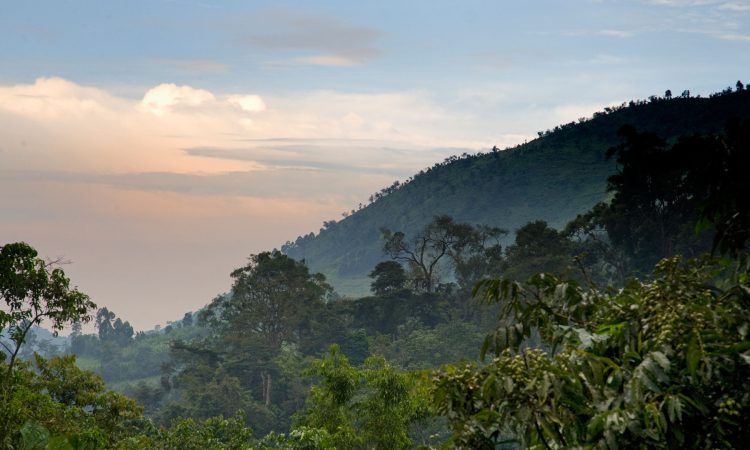
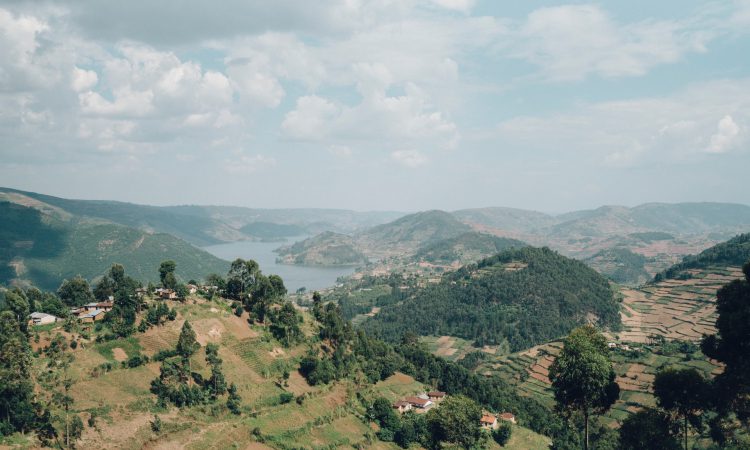
Bwindi Impenetrable Forest is a prehistoric forest found in southwestern Uganda, covering the districts of Kisoro, Kabale, and Kanungu. It lies in the Kigezi Highlands at elevations ranging from 1,160 to 2,607 meters above sea level. The forest covers about 331 square kilometers and has around 160 tree species and more than 100 species of ferns.
The name Bwindi comes from the Runyakitara word Mubwindi, meaning “a place of darkness.” The forest is called “impenetrable” because of the thick bamboo, heavy undergrowth, and dense plant cover that make movement difficult.
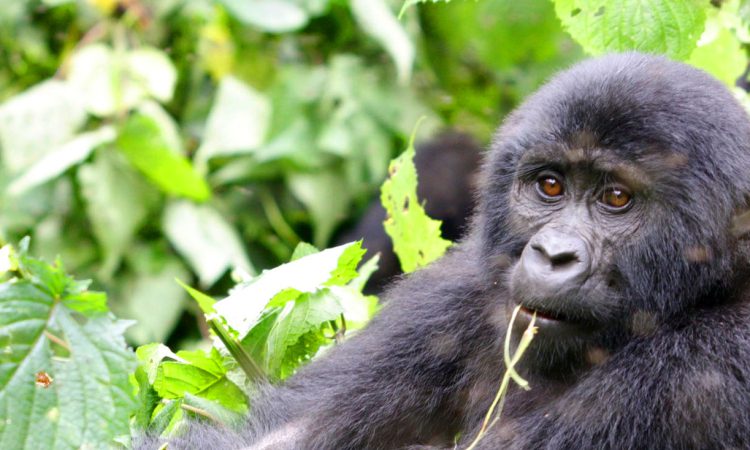
Historically, Bwindi was home to the Batwa pygmy people, who lived by hunting and gathering fruits. The forest was central to their life and culture. When Bwindi was declared a national park in 1991, the Batwa were forced to leave. The park was created to protect endangered mountain gorillas from poaching, diseases, and habitat destruction.
Wildlife in Bwindi Impenetrable Forest
Bwindi is one of the richest areas in Africa for plants and animals and was declared a UNESCO World Heritage Site in 1994.
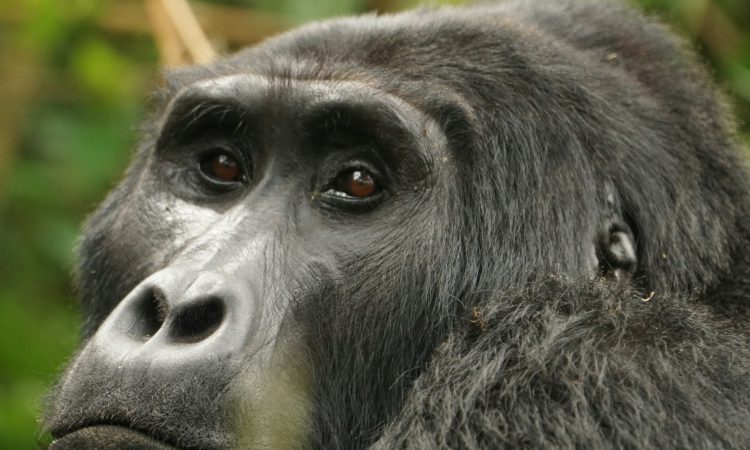
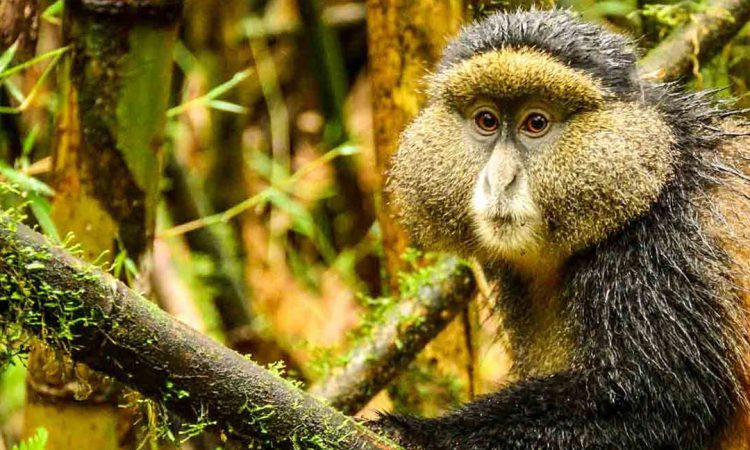
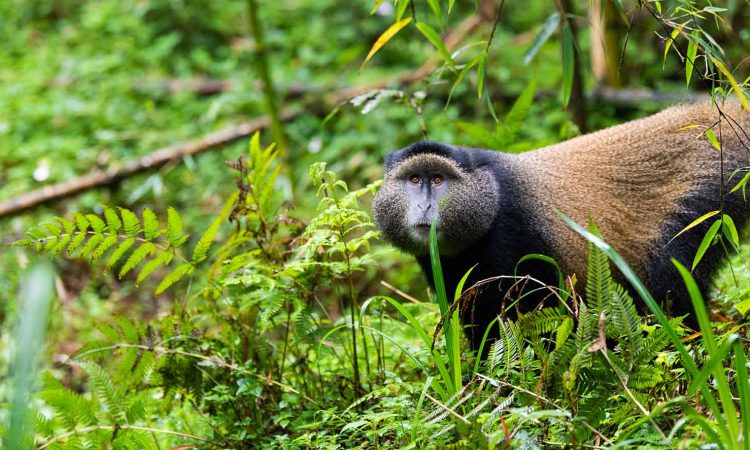
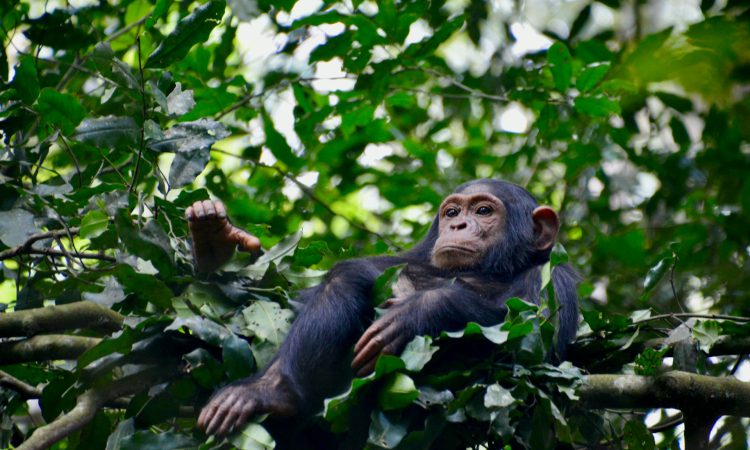
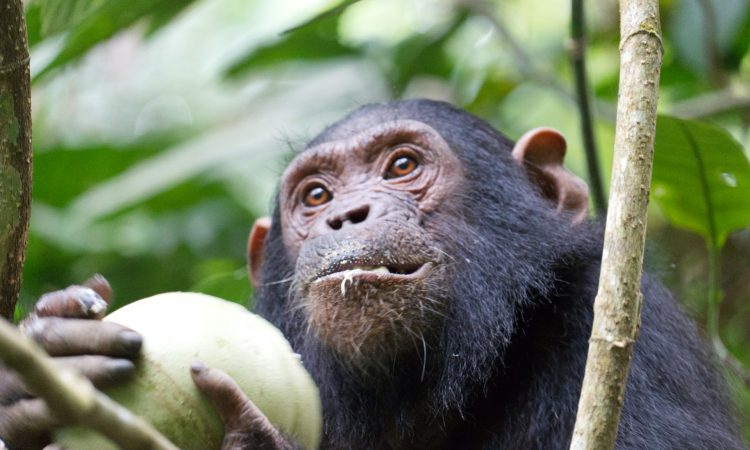
- Mammals: The forest has about 120 mammal species, including 11 primates such as mountain gorillas, chimpanzees, blue monkeys, L’Hoest’s monkeys, red-tailed monkeys, vervet monkeys, and black-and-white colobus monkeys. Other mammals include forest elephants and yellow-backed duikers.
- Birds: Over 350 bird species live in Bwindi, nesting in trees and along rivers. Some include the great blue turaco, Cassin’s grey flycatcher, white-tailed blue flycatcher, brown-necked parrot, white-bellied robin-chat, African green broadbill, and handsome francolin.
- Reptiles: The forest has snakes, chameleons, and lizards. Fourteen snake species are recorded, with nine found only in Bwindi, such as the puff adder, Gabon viper, rock python, black mamba, green mamba, and boomslang. Chameleons include graceful chameleons, giant chameleons, and flap-necked chameleons.
- Butterflies: There are more than 220 butterfly species in Bwindi, including 42 Albertine Rift endemics. Three unique species are the cream-banded swallowtail, Graphium gudenusi, and Charaxes fournierae.
Rivers in Bwindi Impenetrable Forest
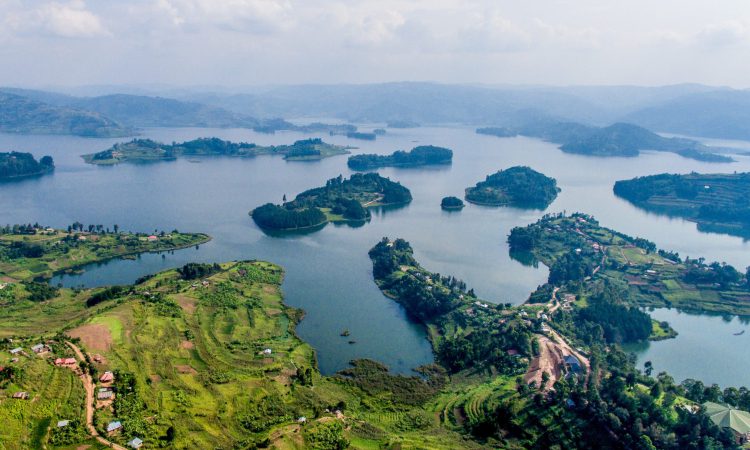
Bwindi is a water catchment area, with rivers that flow into nearby lakes such as Lake Edward, Lake Bunyonyi, and Lake Mutanda.
- River Ivy: Found in the northern part of Bwindi, it flows south and can be seen during nature walks and gorilla treks.
- River Muyanga: Located in Buhoma sector, this river has waterfalls that can be reached along the Muyanga Waterfall Trail.
- River Ntengyere: Originates in Bwindi hills and drains into Lakes Mutanda, Edward, and Bunyonyi.
How to Access Bwindi Impenetrable Forest
- By Road: From Entebbe International Airport or Kampala, it takes about 10 hours by car to cover the 340 km to Bwindi. From Rwanda, the forest can be reached in 4–5 hours through the Cyanika border.
- By Air: Flights from Entebbe International Airport or Kajjansi Airfield land at Kisoro or Kihihi airstrips. The flight takes about one hour.
Best Time to Visit
Bwindi can be visited throughout the year, but the best months are June to August and December to February. These are dry months, when the trails are less muddy and it is easier to move around the park.
Tourist Activities
- Bird watching
- Gorilla trekking
- Gorilla habituation
- Community walks
- Nature walks
Bwindi Impenetrable Forest is a remarkable place, home to many wildlife species and unique landscapes. Visiting the forest offers a chance to experience its rich natural life and cultural history.
Gorilla Safari Booking Form
If you'd like to personalize your tour by adding extra days or destinations, please reach out to us through our main contact page using the button below.